Siena
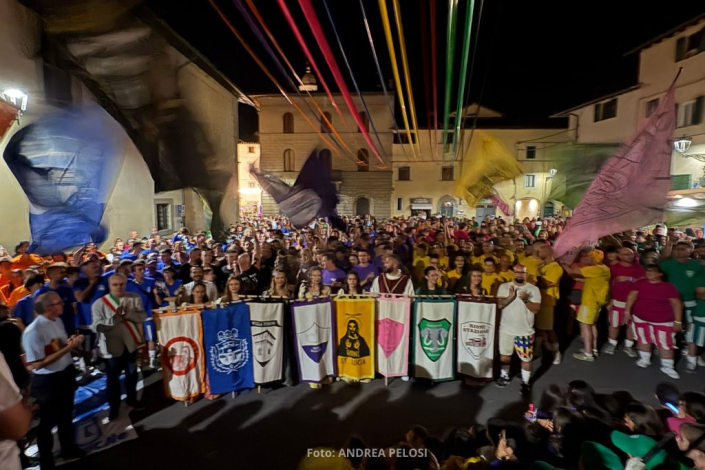
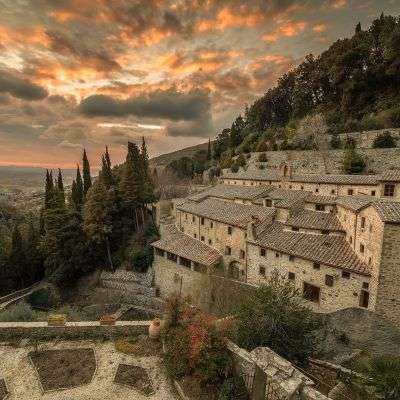
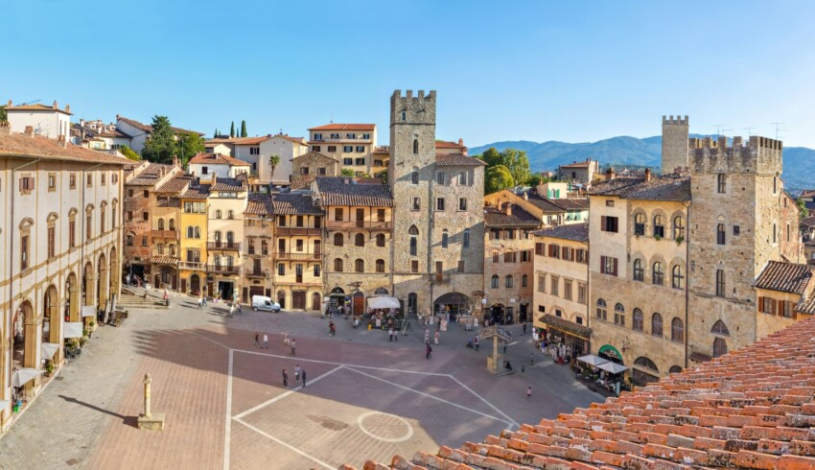
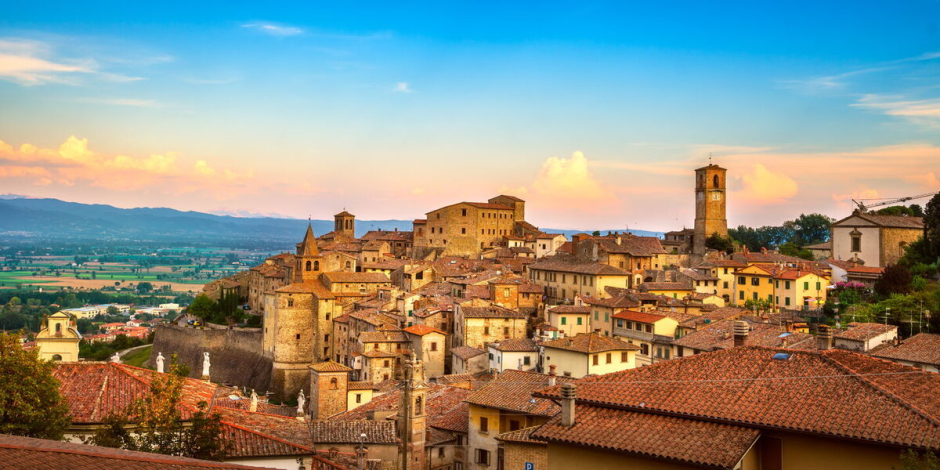
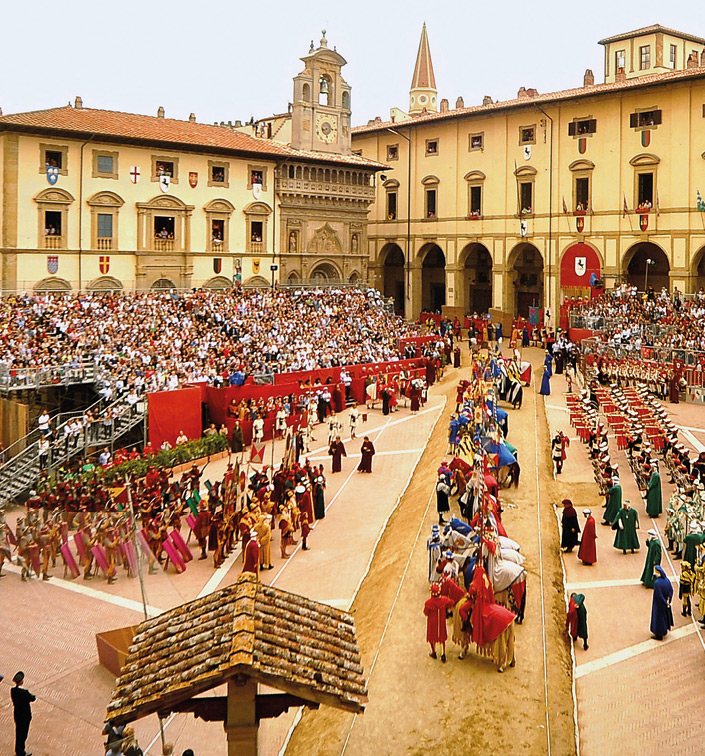
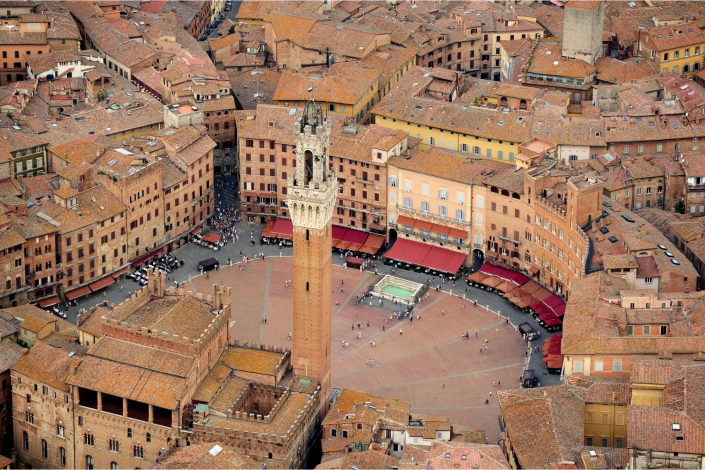
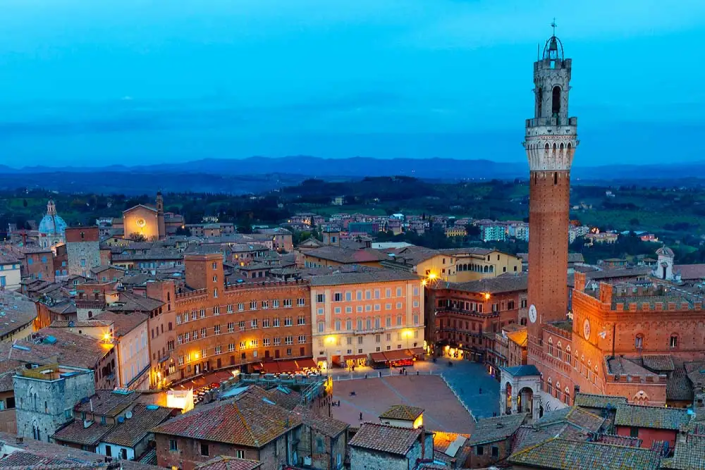
Siena, declared a UNESCO World Heritage Site, is one of the most intact and fascinating medieval cities in Europe, famous for its urban structure on three 'terzi' that winds along the ridges of three clay hills. Unlike many other Tuscan cities, Siena has maintained a very strong civic and cultural identity, jealously guarded by its 17 Contrade, which live year-round in function of the famous Palio. The heart of the city is the magnificent Piazza del Campo, unique for its shell shape and the red brick pavement divided into nine segments (in honor of the Government of the Nine). Here overlook:
The Public Palace: seat of political power since the 13th century and treasure trove of the Civic Museum, where you can admire the frescoes of Ambrogio Lorenzetti (Allegory of Good and Bad Government) and Simone Martini (The Majesty).
The Mangia Tower: which, at 88 meters, offers one of the most spectacular views of the city and the Sienese countryside.
The Gaia Fountain: sculptural masterpiece by Jacopo della Quercia (the original is now preserved in Santa Maria della Scala).
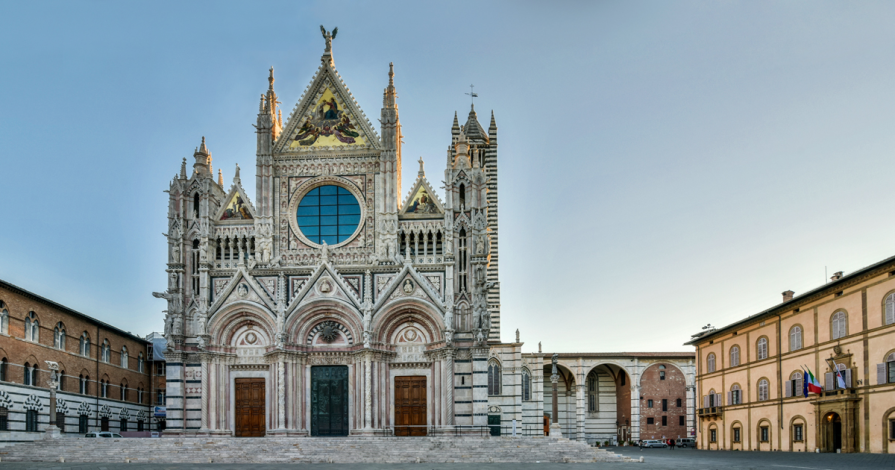
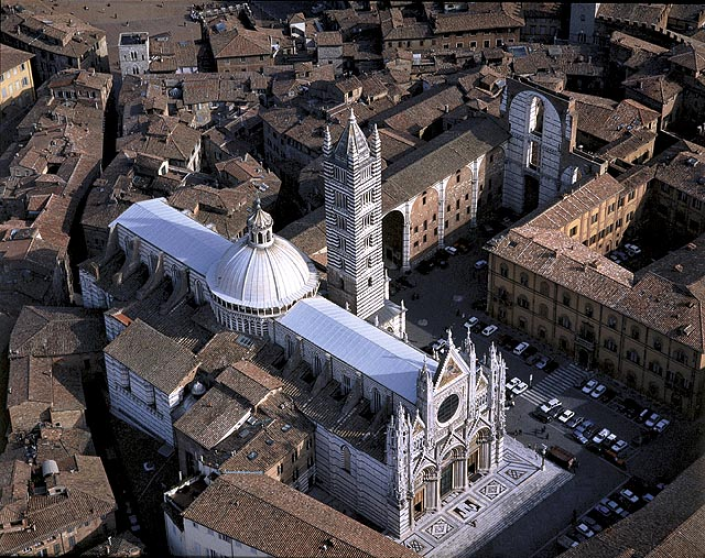
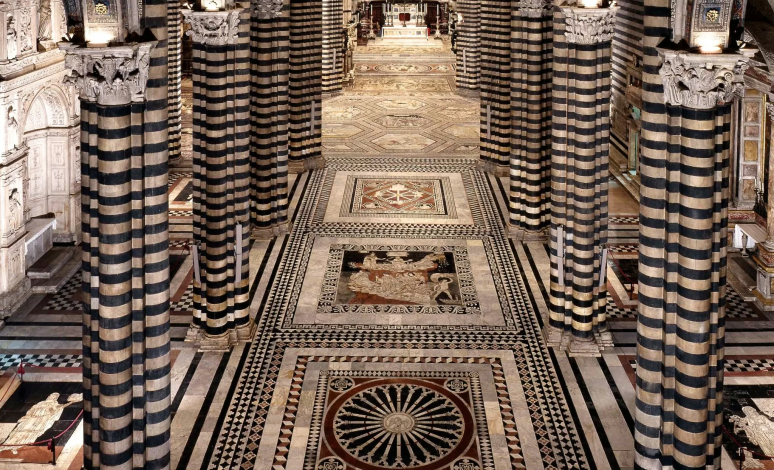
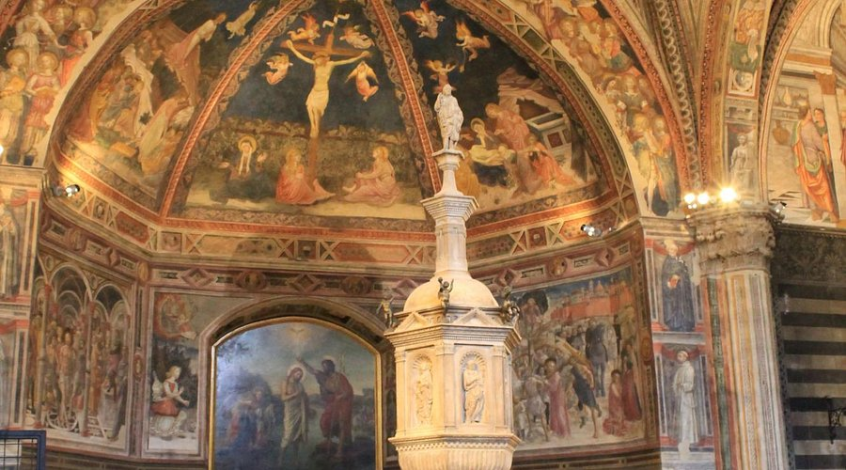
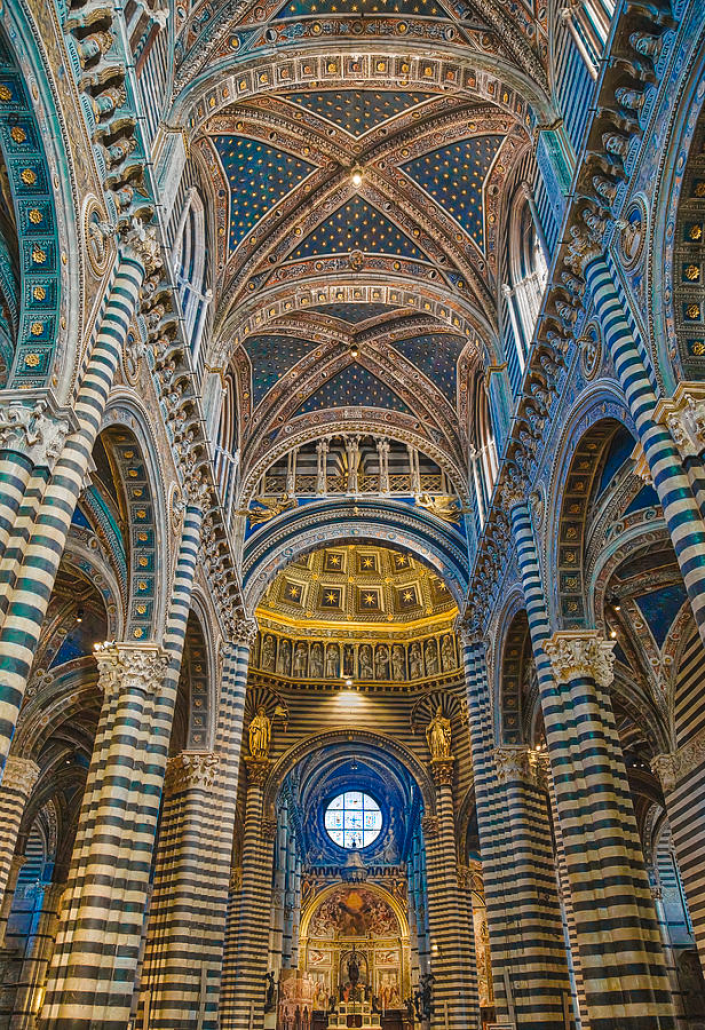
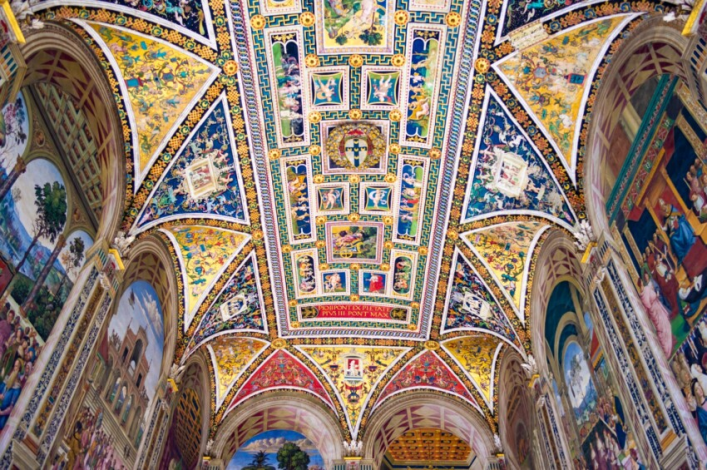
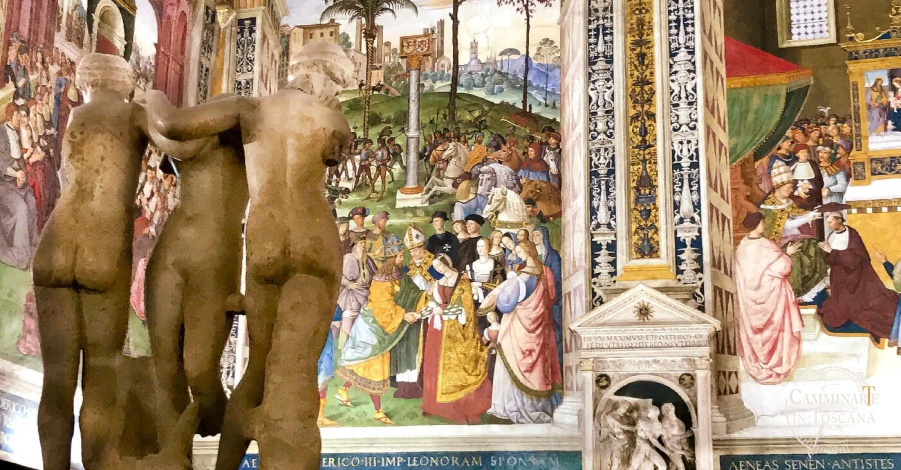
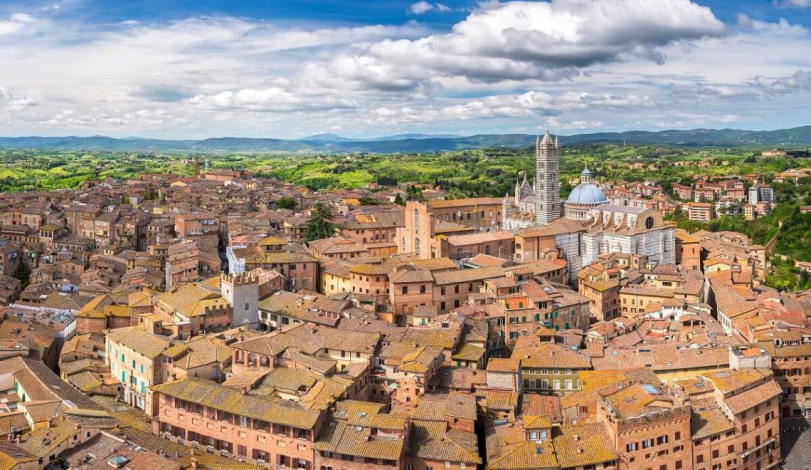
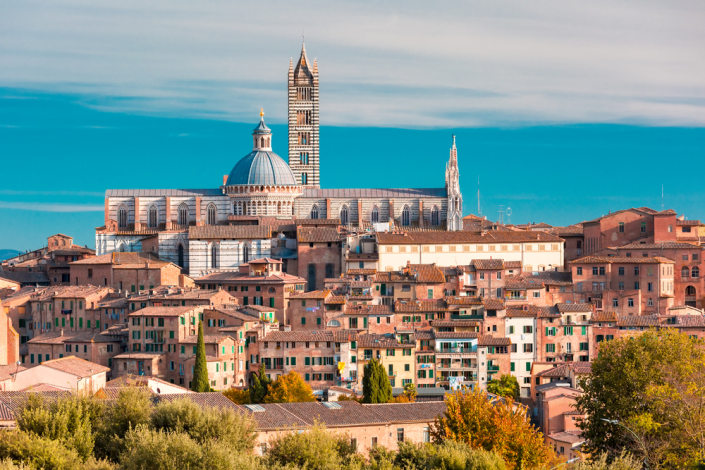
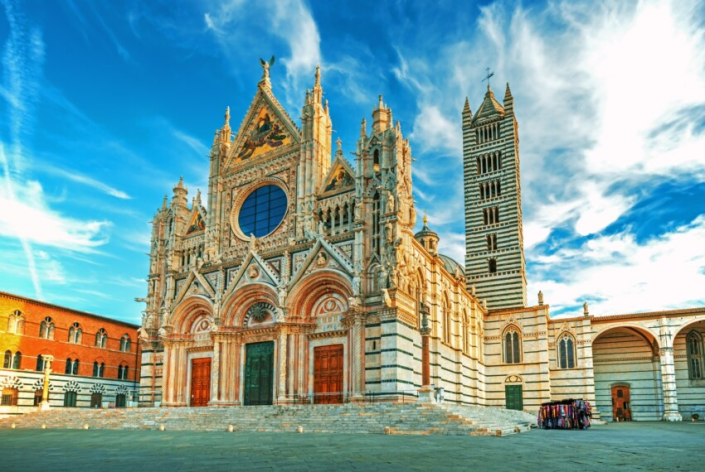
Not far away stands the Duomo Complex, one of the most spectacular Romanesque-Gothic cathedrals in Italy, known for its incredible marble inlay floor, the frescoed Piccolomini Library by Pinturicchio, and the monumental pulpit by Nicola Pisano. Just opposite, the ancient hospital of Santa Maria della Scala is now a vast museum complex that tells centuries of assistance to pilgrims along the Via Francigena.
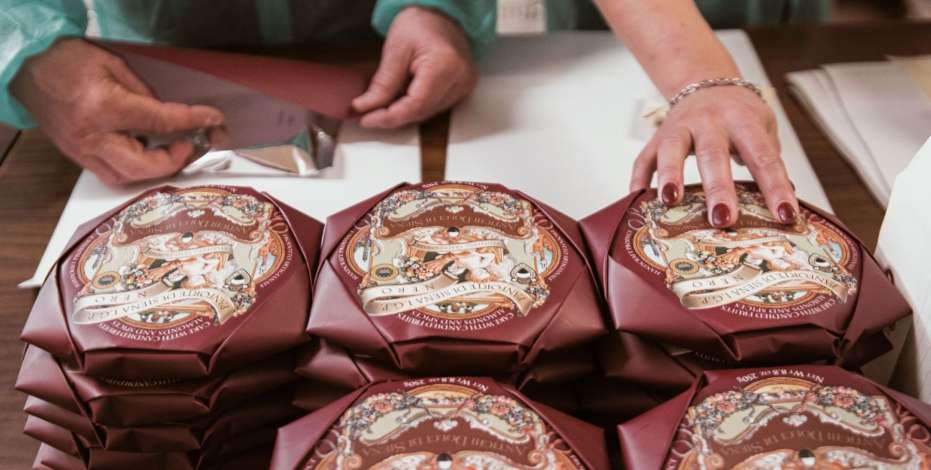
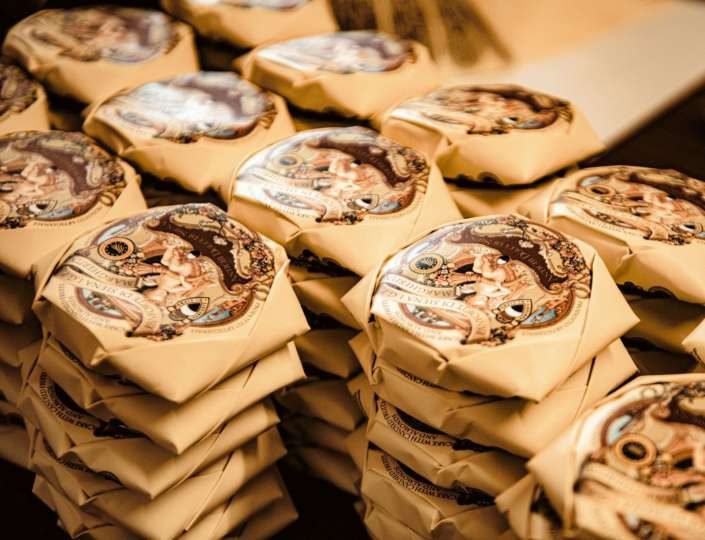
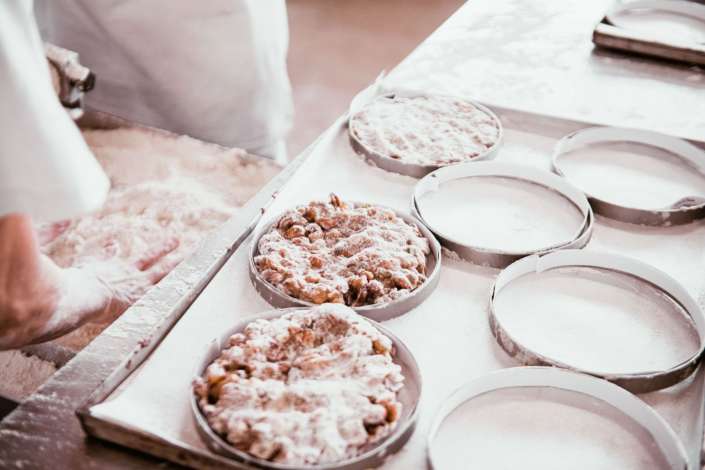
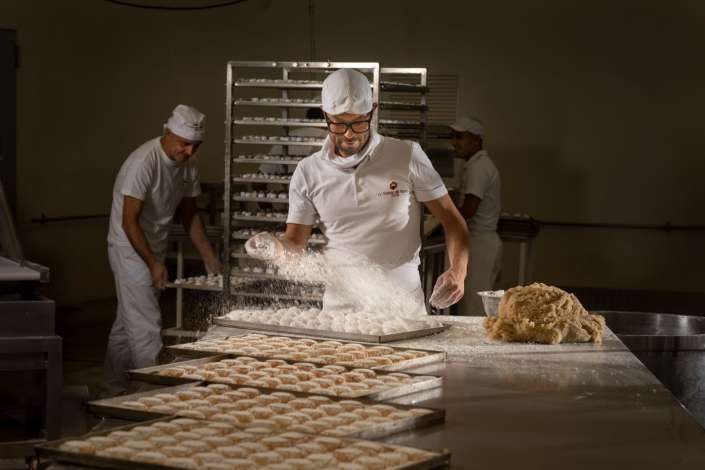
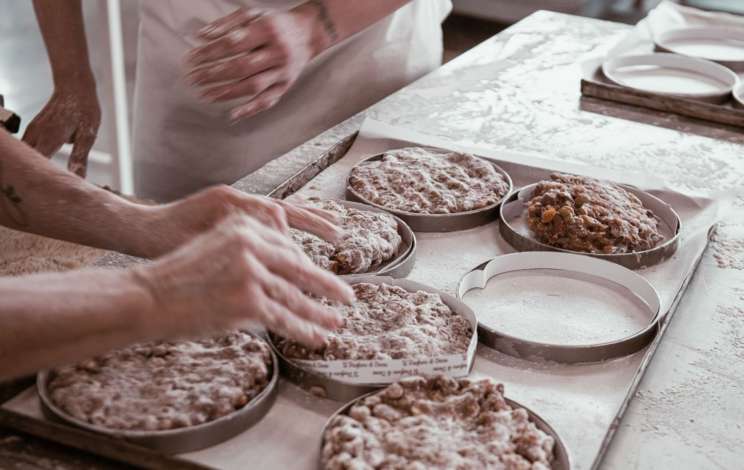
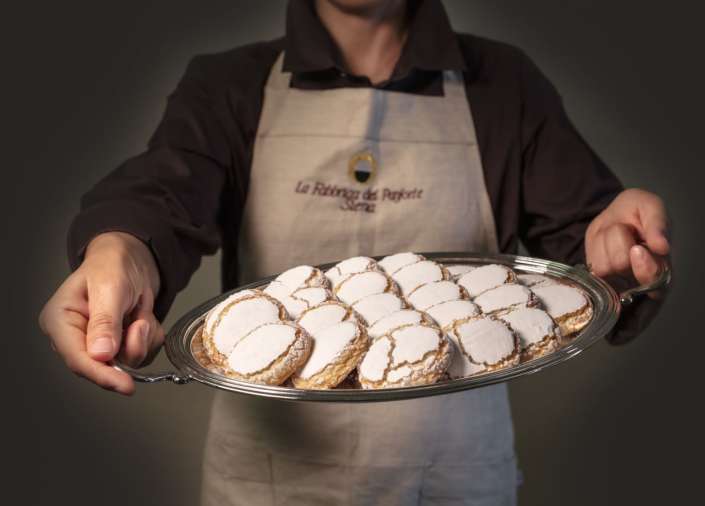
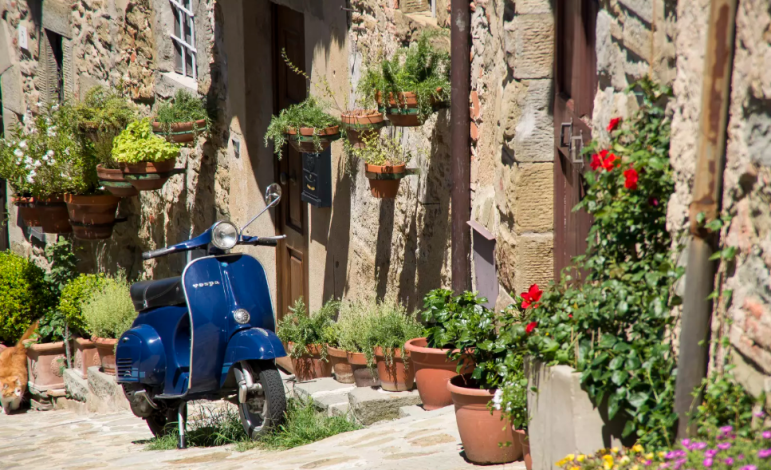
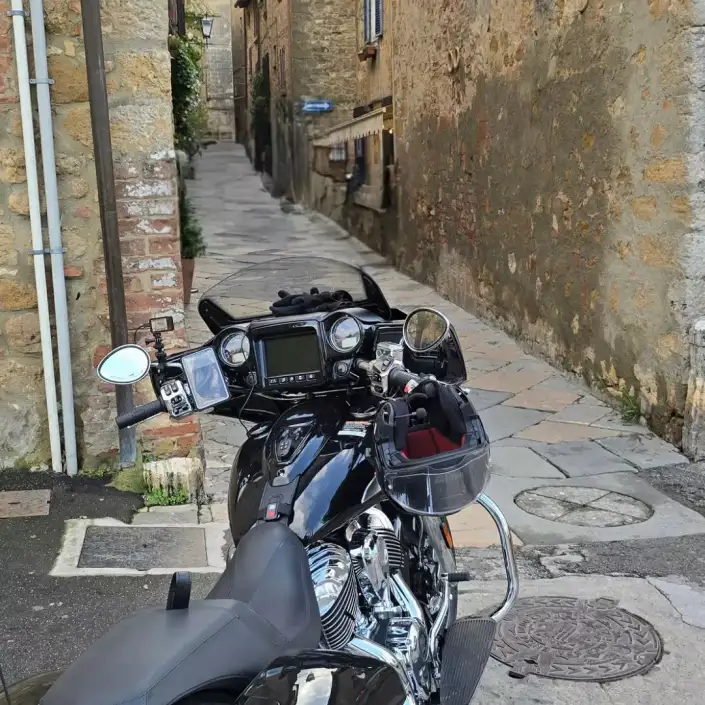
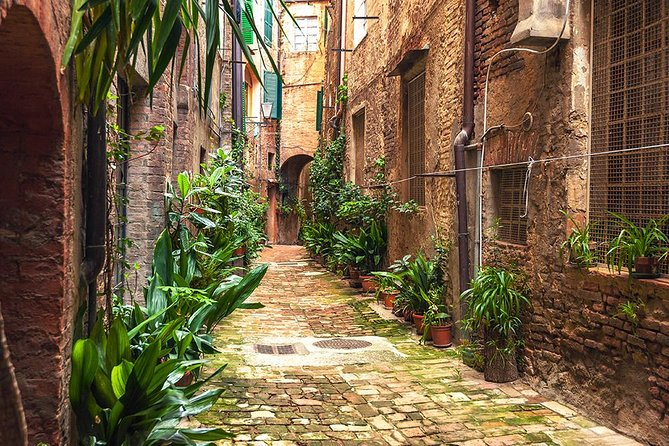
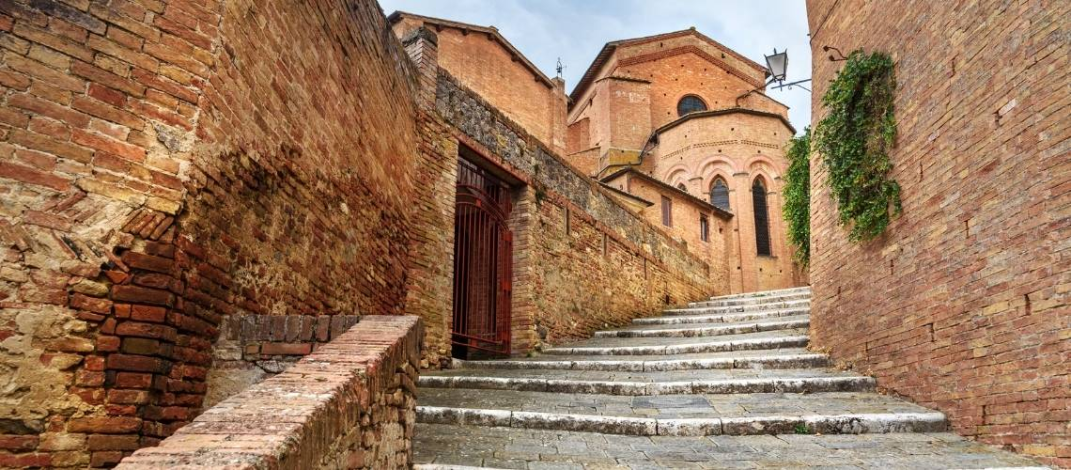
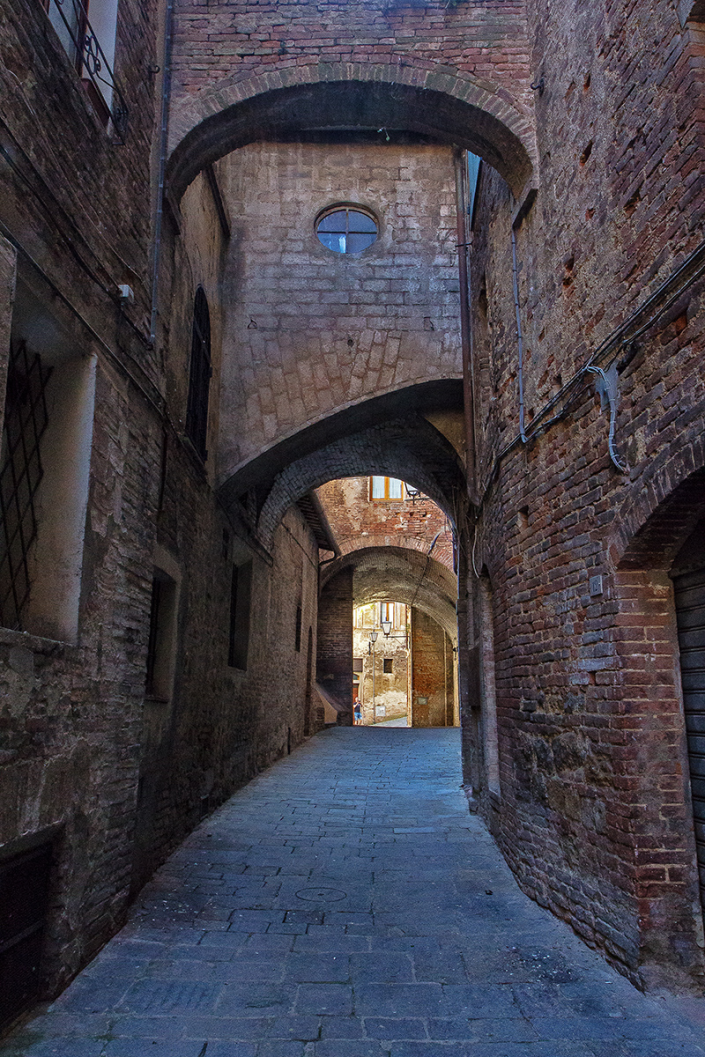
Siena is also a city of profound spirituality, linked to figures like Saint Catherine, whose birthplace and the Basilica of San Domenico are fundamental stops for visitors. Getting lost in its silent alleys, among artisan shops and the scents of typical sweets like panforte and ricciarelli, means immersing oneself in a timeless atmosphere, where the color 'Terra di Siena' is not just a chromatic shade, but the very soul of stone and bricks.